Products in this range
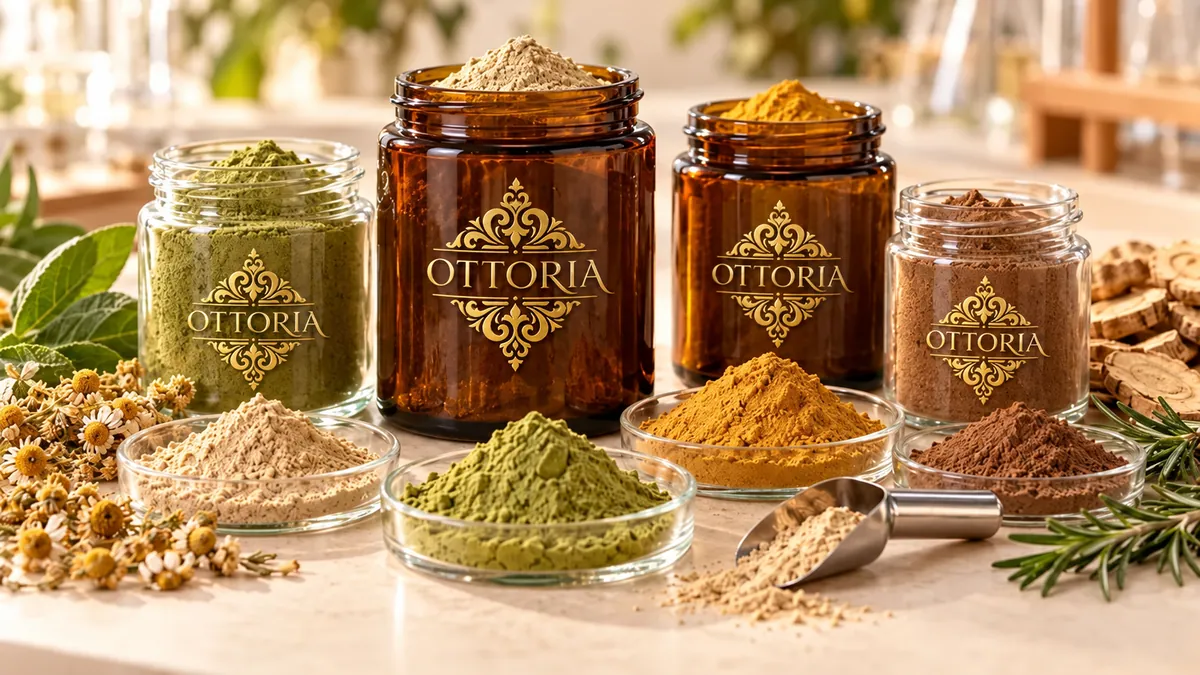
Powder ExtractsDried plant extracts in powder form for blends, capsules, masks and food applications.View product → 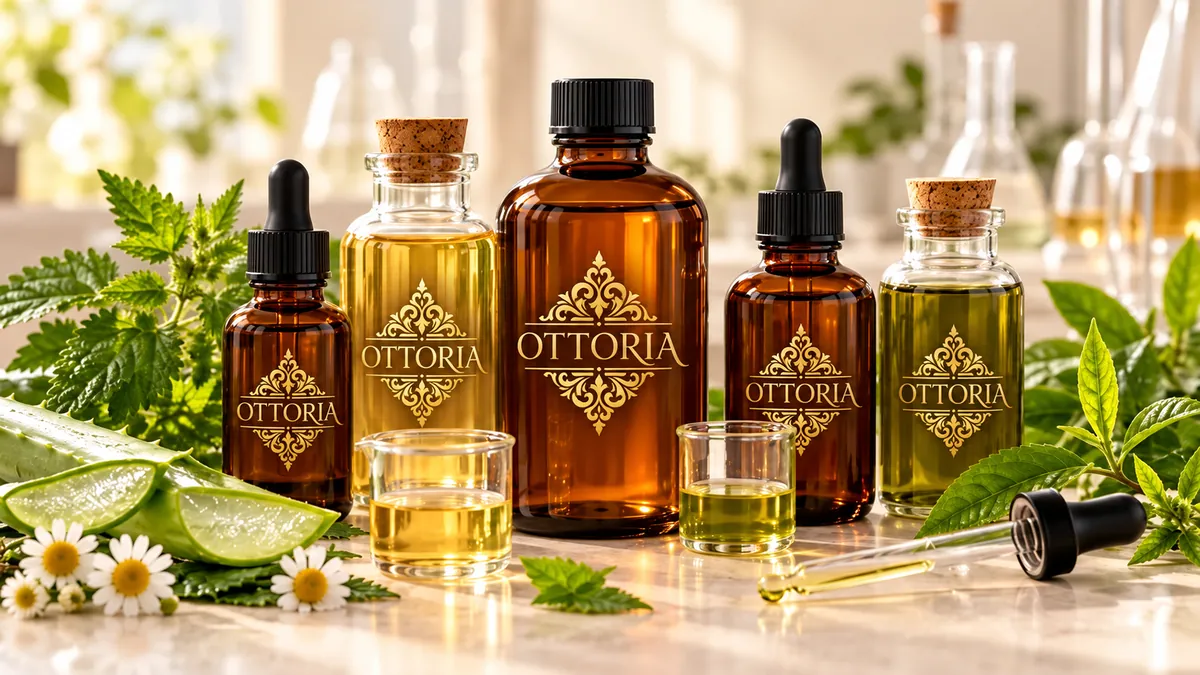
Liquid ExtractsPlant extracts made with water, glycerine, alcohol or oil for cosmetics and personal care.View product → 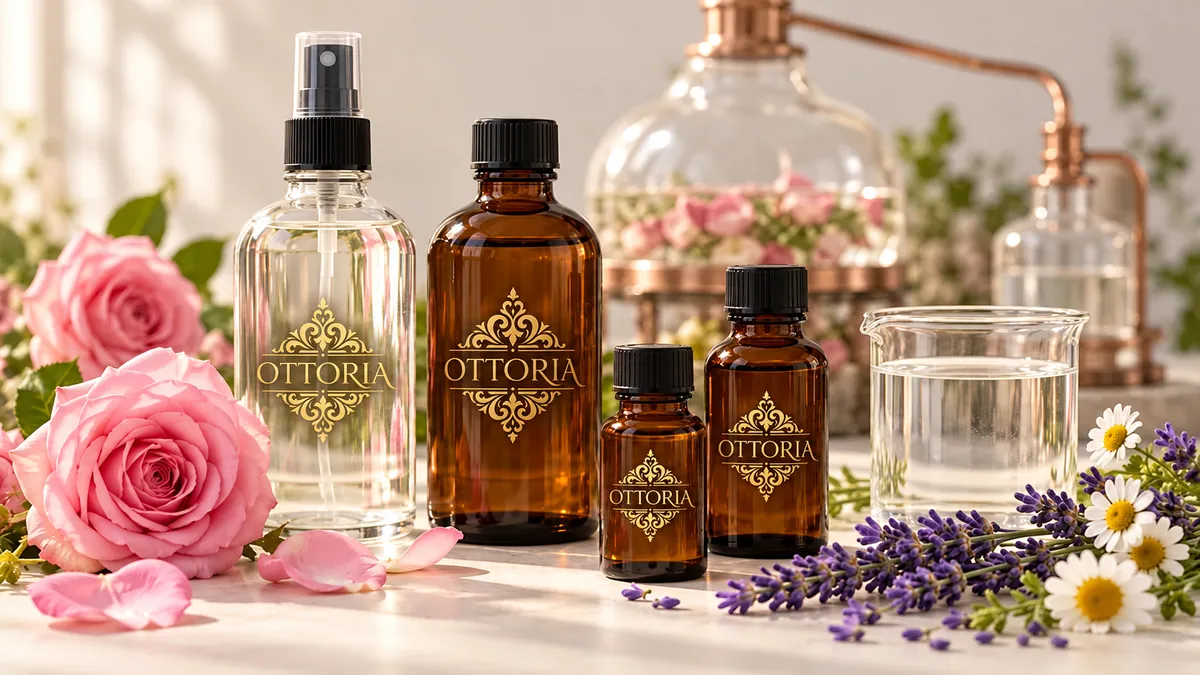
HydrosolsFloral and plant waters from steam distillation for toners, face mists and cosmetic formulas.View product → 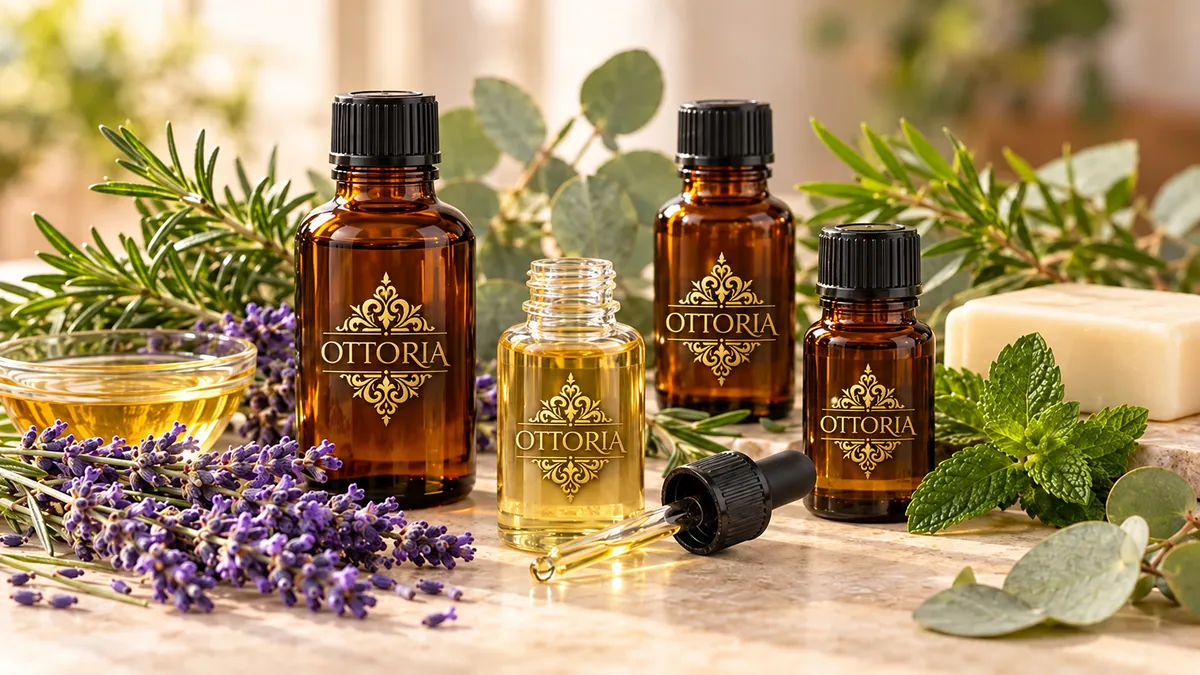
Aromatic OilsAromatic oils based on essential and vegetable oils for massage, soap and aromatherapy products.View product →
A plant extract is obtained from parts of a plant such as leaves, flowers, roots or fruit using a solvent such as water, alcohol, glycerine or oil, and carries the plant's active or aromatic components. Extracts are used in cosmetics, personal care and food for both function and "natural ingredient" claims.
What types of extracts are there?
| Type | How it is made | Typical use |
|---|---|---|
| Powder extract | By drying a liquid extract | Capsules, powder blends, clay masks, food |
| Liquid extract | Extraction with water, glycerine, alcohol or oil | Creams, lotions, shampoos, toners |
| Hydrosol | Water phase separated from the essential oil in steam distillation | Toners, face mists, water phase of cosmetic formulas |
| Aromatic oil | Aromatic components of the plant carried in oil | Massage oils, soap, aromatherapy products |
What is a hydrosol?
A hydrosol (floral water) is the water obtained together with the essential oil during steam distillation, carrying the water-soluble aromatic components of the plant. Rose water is the best-known example. It is much milder than an essential oil and can replace water in cosmetic formulas.
What should you consider when choosing an extract?
- Solvent: choose an extract made with a solvent that suits your product's phase (water or oil).
- Concentration: the plant-to-solvent ratio drives effect and cost.
- Documentation: for cosmetics, the INCI name and technical data are needed for the product file.